The Future of AR: Smartphone-Powered vs. Standalone Headsets
We analyze why the future of mass augmented reality lies in the device you already carry in your pocket.
Experience Glassear
Secure your slot in our Early Access Program and build the future of AR.
Join the Pioneers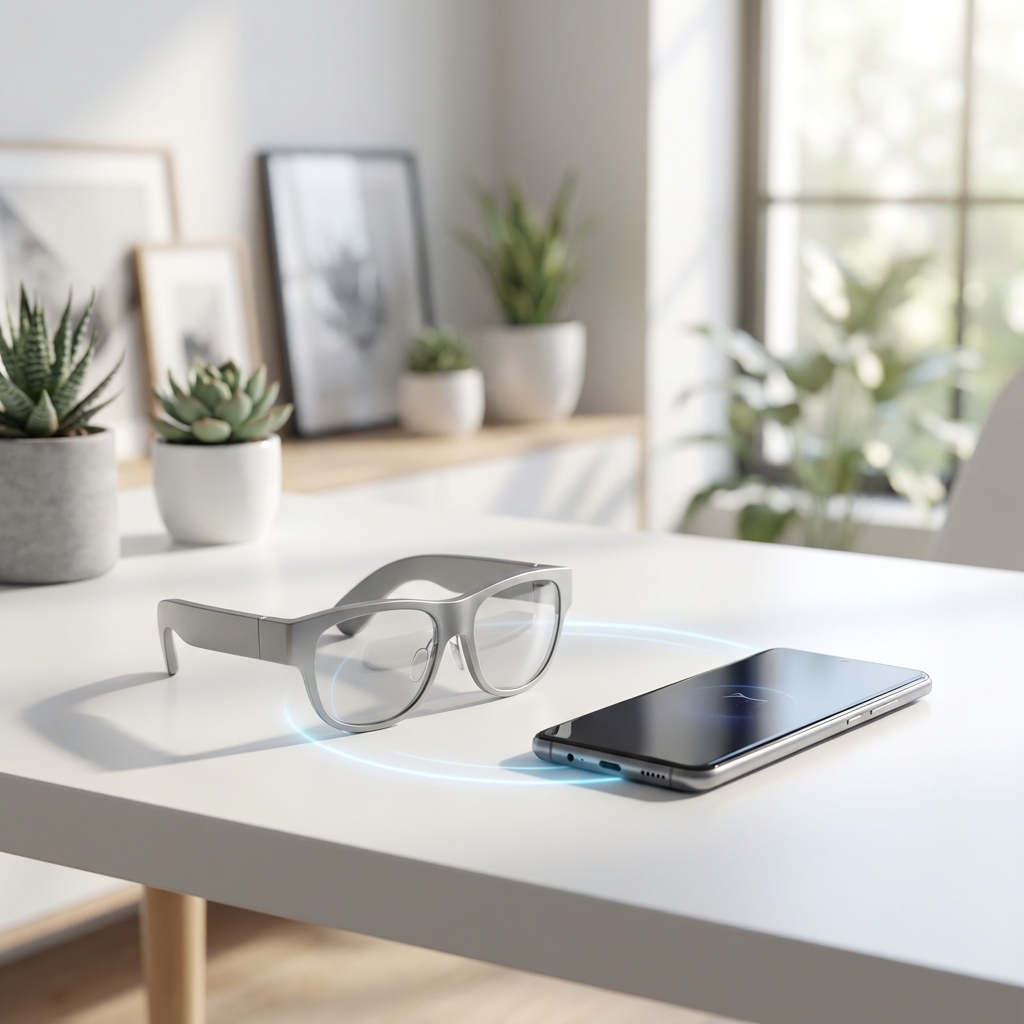
The Future of AR: Smartphone-Powered vs. Standalone Headsets
There is a big debate in the tech industry: should augmented reality (AR) glasses be standalone devices with their own processor and battery, or should they be “peripherals” that leverage the power of our smartphones?
At Glassear, we have a clear answer, and today we want to explain why we believe the smartphone path is the one that will bring AR to millions of people.
The Problem with Standalone Devices
“Standalone” AR headsets face three major challenges that currently prevent their mass adoption:
- Weight and Ergonomics: Putting powerful processors, cooling systems, and large batteries into a headset makes it heavy and uncomfortable for prolonged use.
- Heat: Processing complex AR graphics generates a lot of heat, right next to your forehead.
- Price: You are paying for a completely second computer. This raises the price to thousands of dollars.
The Smartphone-Powered Advantage
Your smartphone is already a supercomputer. Every year, brands release more powerful processors, better GPUs, and AI optimizations. Why not use that power?
1. Drastically Lower Cost
By removing the need for an internal processor and a giant battery in the headset, the price of devices like Glassear drops drastically. This makes AR something that any enthusiast or professional can afford.
2. Superior Comfort
Without the weight of heavy electronics, the Glassear headset weighs only 250g. This allows you to use it for hours at work or at home without neck fatigue.
3. The Upgrade Cycle
If you buy a standalone headset, its processor will become obsolete in 2 or 3 years. With Glassear, every time you upgrade your phone, your augmented reality experience will automatically improve. Your AR grows with your technology!
Conclusion: AR for Everyone
While standalone headsets have their place in very specific industrial niches or research labs, the AR that will transform our daily lives, our education, and our shopping will be the one that is accessible, lightweight, and easy to use.
Glassear is not trying to replace your smartphone; it’s trying to free it from the screen so that its power is projected directly into your world.
Ready to see the power of your mobile in 120 degrees? Reserve your Glassear today